
Energy In and Out: Logical Facts
Energy balance represents one of the most fundamental concepts in nutrition science. Understanding this principle provides a logical foundation for comprehending how nutrition relates to body composition.
What is Energy Balance?
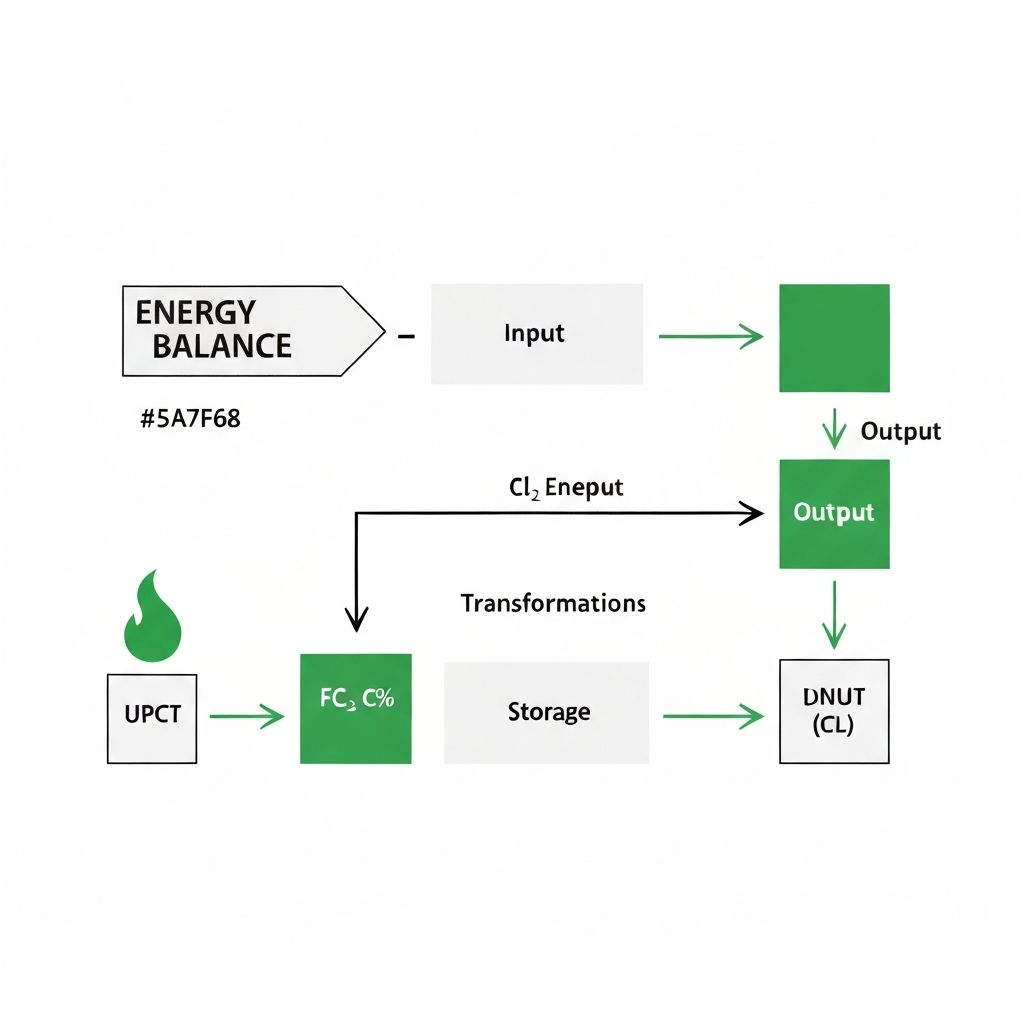
Energy balance describes the relationship between energy consumed through food and energy expended through bodily functions and activity. The human body requires energy to maintain basic functions, move, think, and maintain body temperature.
Food provides this energy in the form of calories. The body expends energy through three primary mechanisms: basal metabolic rate (the energy required for basic functions at rest), the thermic effect of food (energy used to digest), and activity energy expenditure.
Energy Surplus and Deficit
When energy consumption exceeds energy expenditure, the body stores excess energy, primarily as body fat. This represents an energy surplus. Conversely, when energy expenditure exceeds consumption, the body accesses stored energy. This represents an energy deficit.
The logical outcome of sustained energy surplus is typically body composition change toward increased body fat. Similarly, sustained energy deficit typically results in body composition change toward decreased body fat.
Individual Variation in Energy Expenditure
A straightforward fact about energy balance involves understanding that energy expenditure varies between individuals. Two people eating identical amounts of food may have different energy expenditure due to differences in:
- Body size and body composition (muscle tissue requires more energy than fat tissue)
- Age and hormonal factors
- Genetic variation in metabolic rate
- Activity levels and occupational factors
- Environmental temperature and adaptation
This variation explains why identical energy intakes produce different outcomes in different people.
Tracking Energy in Real Life
While energy balance is a logical and scientifically valid concept, precisely tracking energy in real life involves complexity. Food preparation varies, portion sizes are approximate, and energy expenditure calculations are estimates.
Despite this complexity, the fundamental principle remains valid: sustained patterns of energy surplus and deficit produce predictable body composition outcomes across populations.
The Bigger Picture
Energy balance provides an essential framework but represents only one aspect of nutrition's relationship to health. Other factors including nutrient quality, food patterns, individual preferences, and lifestyle context all matter for overall wellbeing.
Understanding energy balance logically explains one important mechanism while acknowledging that human nutrition involves many other considerations.